Provenance
We name the facility and jurisdiction.
The building, the operator, the country, and what that means for who can compel access to what is inside it. Under MNDA, before anyone asks you to commit.
Named facilities in verified jurisdictions, export-control diligence run at the front of the process, and commercial relationships disclosed in writing, because your procurement rules require it and most intermediaries will not.
Related: Sovereign AI infrastructure: how the procurement actually runs
The building, the operator, the country, and what that means for who can compel access to what is inside it. Under MNDA, before anyone asks you to commit.
Destination, ultimate end user, ownership and onward-transfer worked before specifications and pricing. Where authorisation is required, we say so plainly.
We own no facilities, hold no inventory and take no position. The shortlist has no house preference in it because there is no house to prefer.
Operators compensate us under referral agreements. We declare it, in the form your process needs, before an introduction rather than after an audit.
Sovereign engagements start from the paper, not the hardware. Data residency rules, export-control regimes and national security frameworks decide what can sit where and who can touch it, and any procurement that discovers those constraints late will be re-run. We sequence it the other way: jurisdiction first, facility second, hardware last, so that by the time silicon is being discussed, every layer beneath it has already passed.
Named facilities matter more here than anywhere else. A sovereign workload cannot sit in a region; it sits in a building, with an operator whose ownership, staffing and access controls you can verify. We only put forward facilities we can name, and we run export-control and end-user verification up front, before commercial terms, because in this segment the compliance file is the deal.
Every commercial relationship in the chain is disclosed. Procurement bodies audit, and a structure that cannot be explained in one diagram to an auditor is a structure we will not propose.
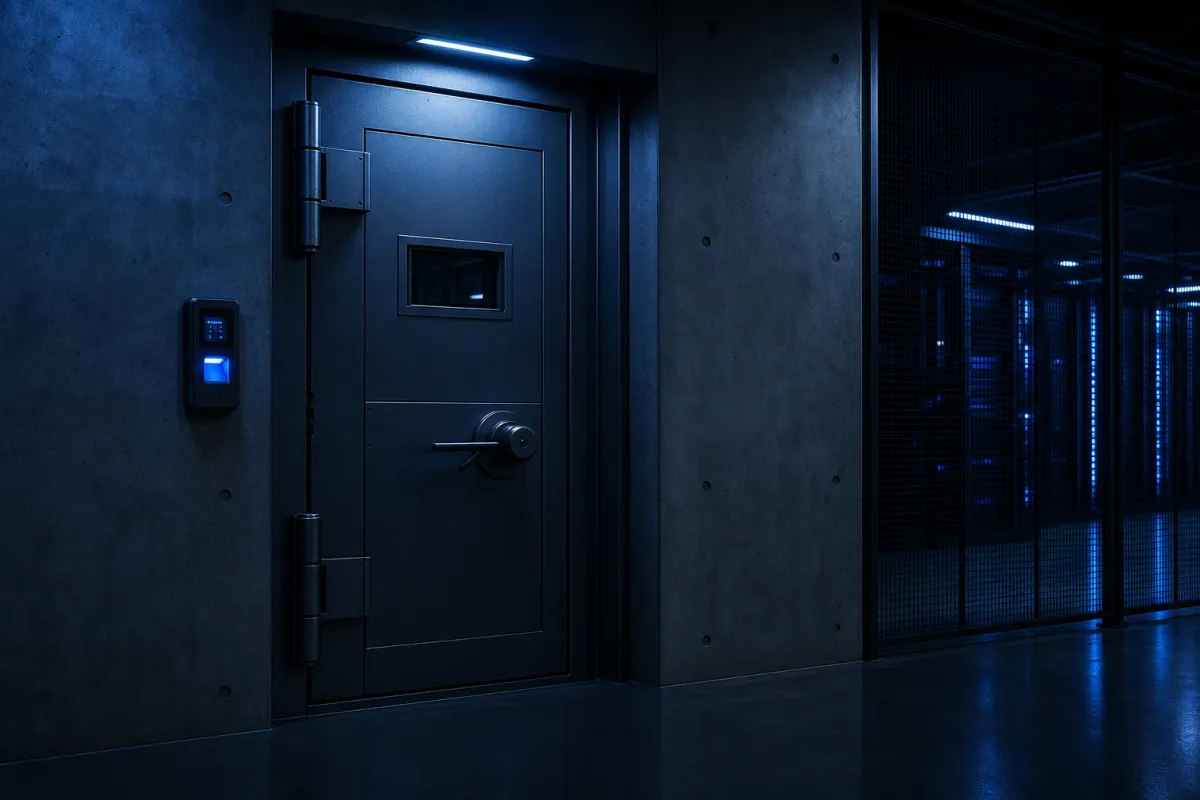
Yes, and we treat them as the starting constraint rather than a checkbox. We name the facility, the operator and the jurisdiction, and we document the chain so your compliance function can verify rather than trust.
Screening runs first, not last. End users, destinations and re-export risk are verified before commercial terms are discussed. If a configuration or destination cannot clear, we say so early and stop, which protects everyone in the chain including you.
We structure deals so they can pass through public-sector processes: disclosed relationships, auditable pricing on direct supplier terms, and documentation built for review. Where a framework or panel arrangement applies, we work within it.
That is a facility and operator question, and it is exactly why we name both. Where the requirement is operator-of-choice or cleared-staff-only, we filter for facilities that support it before anything is proposed.
Operators compensate us under referral agreements for qualified volume. Our compensation comes from the supply side under disclosed arrangements. The arrangement is disclosed in writing before any introduction is made, in whatever form your procurement framework requires.
The obligation, the jurisdiction, the workload and the framework you are procuring under.
With options that survive a residency and export-control review, or an honest statement of what is not available yet.
We introduce, disclose, and step back. No cost at any point.
A desk that never declines anything is selling something. Ours is not. Stated up front, so nobody spends a week finding out.
Whoever's workload occupies the capacity and whose balance sheet stands behind the term, or an advisor they name in writing.
You contract directly with the OEM, ODM, distributor, cloud or facility. We are not in the chain and we do not add one.
Run first, not after the commercial terms. It is why suppliers quote our buyers real numbers instead of screening quotes.
Brokers and resellers without a nameable end user do not get a file. If a requirement is wrong for the desk, we say so in the first reply.
Twenty minutes with the desk, no pitch and no quote at the end of it. Tell us roughly what you need and we will come back within one business day.
Your enquiry has landed with the desk. Acknowledged within one hour.