
You hold capacity. We hold the demand.
Tell us what you have and who you want it in front of. Every offtaker is qualified and KYC-checked before any introduction, and nothing about your position is shown to a buyer without your say-so.
Sent. We are on it.
The desk will come back on fit and on what demand we are holding that matches.
Compute, facilities and everything between.
| What you hold | Who wants it | What we need from you |
|---|---|---|
| Idle or unsold GPU capacity | AI labs and enterprises with sustained baselines they are currently overpaying for on demand | SKU, node count, location, term you will accept |
| Reserved nodes you cannot fill | Teams needing capacity faster than a new deployment allows | Facility, remaining term, transferability |
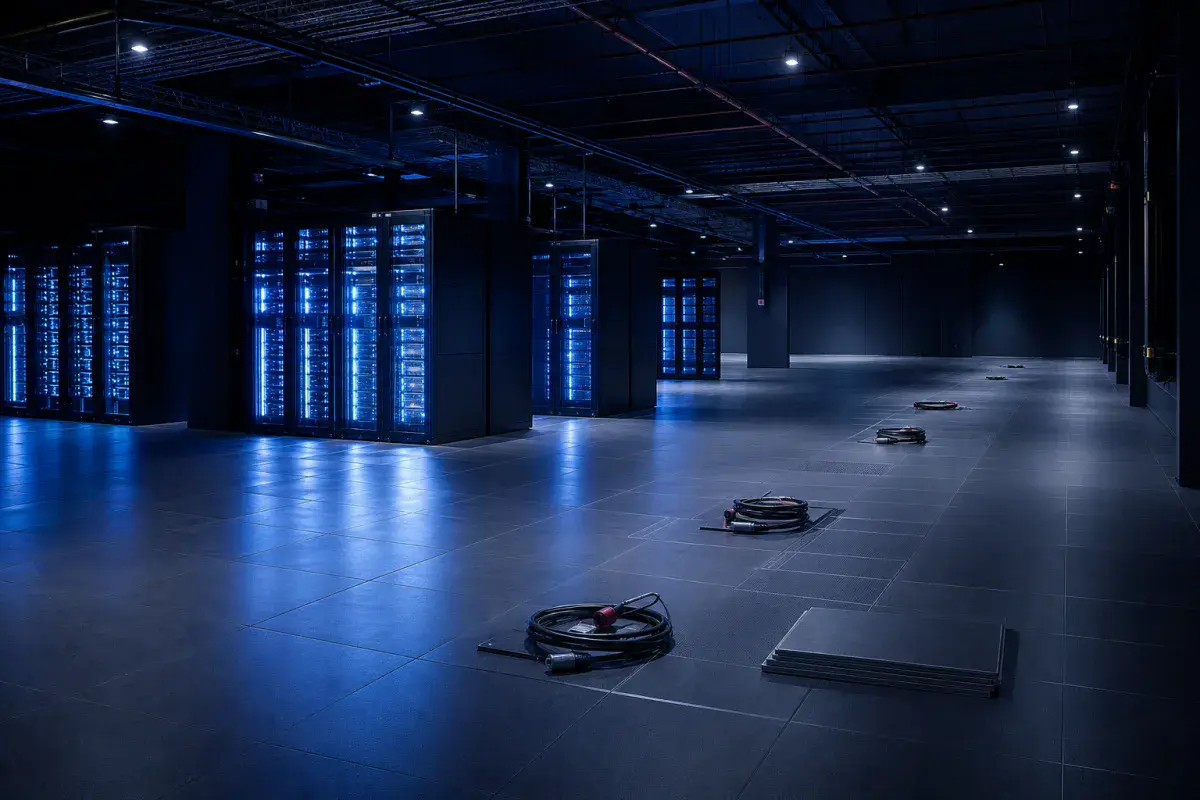
| Data centre space and power | Buyers whose deployment is blocked on a building that can take the density | Secured power, real rack density, cooling, carrier diversity, expansion rights |
| Whole facilities seeking an anchor | Neoclouds and sovereign programmes sizing multi-megawatt commitments | Capacity schedule, connection status, commercial shape |
| Hardware inventory | Buyers sourcing against a specification you happen to hold | Condition, provenance, quantity, location, lead time |
The filter is the same one we apply to buyers: it has to be real. We verify what you hold before we put it in front of anyone, because our access to demand depends on never wasting it.
Qualified demand, not a listing.
We start from the requirement side. Buyers come to us with node counts, live dates, residency constraints and budget envelopes already defined, because that is what a procurement desk collects. When your capacity matches one, the introduction is warm and specific rather than a cold enquiry from a marketplace.
Before anything is introduced we run the same compliance discipline we run on the buy side: counterparty checks, end-user verification where hardware moves, and export screening on the destination. That protects you as much as it protects the buyer, and it is why suppliers keep working with us.
The commercial relationship stays yours. We do not take a position, do not resell your capacity and do not sit between you and your customer once the introduction is made.
Asked first, answered straight.
GPU capacity you are not selling, reserved nodes sitting idle, data centre space and power, and whole facilities looking for an anchor tenant. If it is compute-related and real, we can take it to qualified demand.
A marketplace publishes your capacity and waits. We take a qualified requirement that already exists on the buyer side and match it against what you hold, which means the conversations start with a real need rather than a browse.
No. We do not buy, hold or resell. We introduce qualified demand and the commercial relationship is yours, on your terms. Our compensation is disclosed and sits on the supply side.
What you hold, where it sits, when it is available and the commercial shape you will accept. For facilities: secured power, density the floor genuinely supports today, cooling and carrier diversity. Specifics get matched; vague availability does not.
Yes, and we ask about them first. Placement is structured so it does not cut across accounts you already serve or undercut your own rate card.