
The GPUs, one page each, honestly described.
Every SKU we source, with where it fits, what is verified in the channel today, and indicative direct pricing. No brochure gloss: if a card is the wrong buy for your workload, its own page says so.
Every platform the desk transacts.
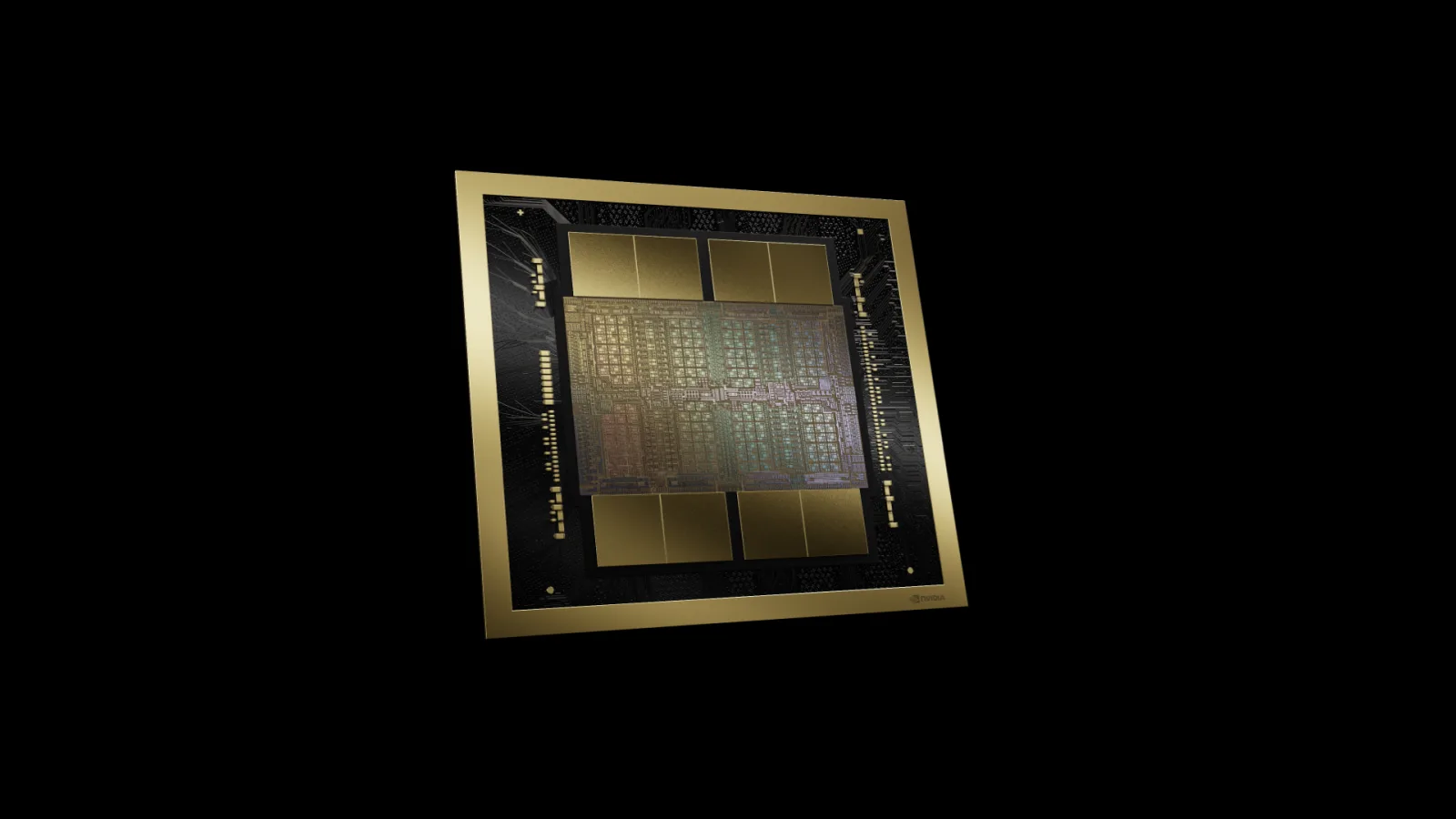
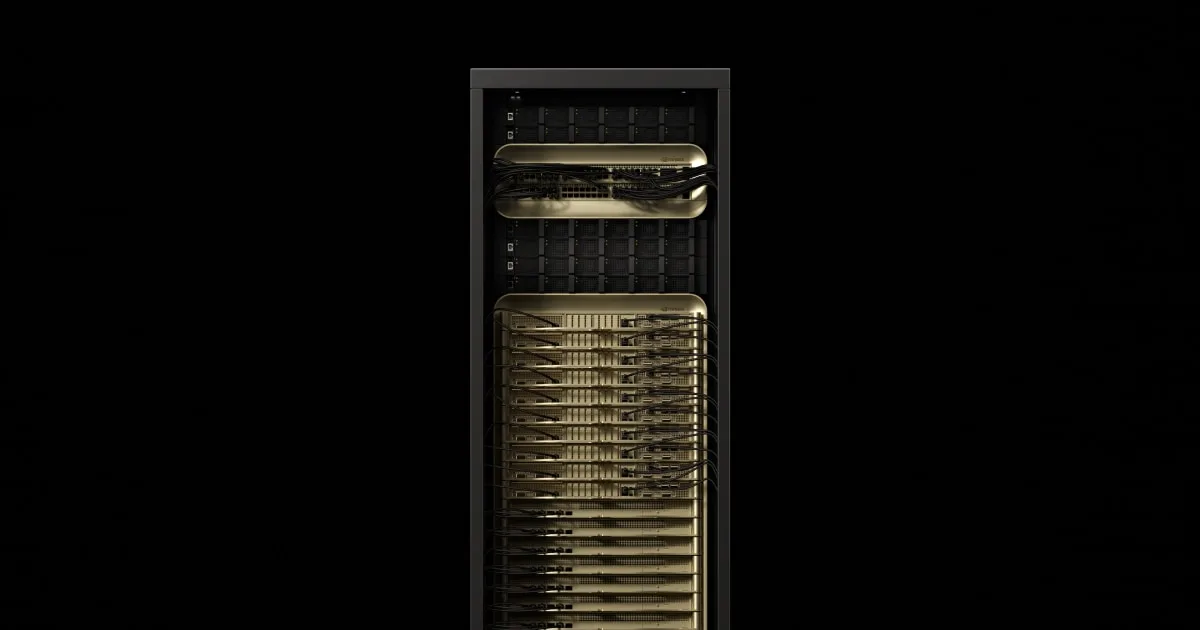
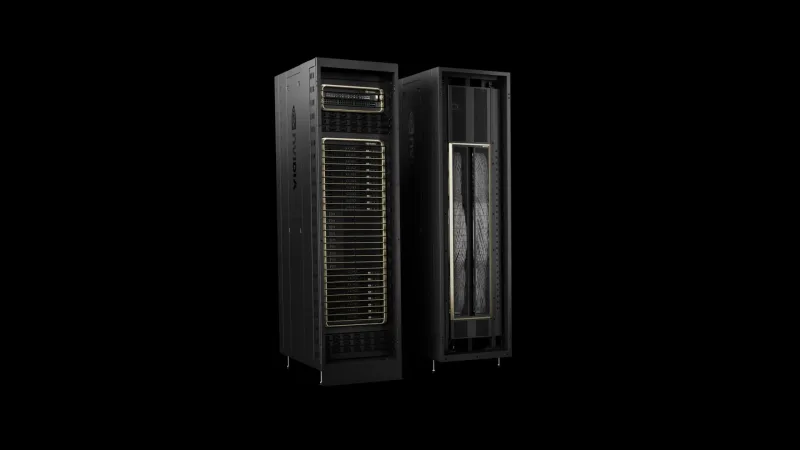
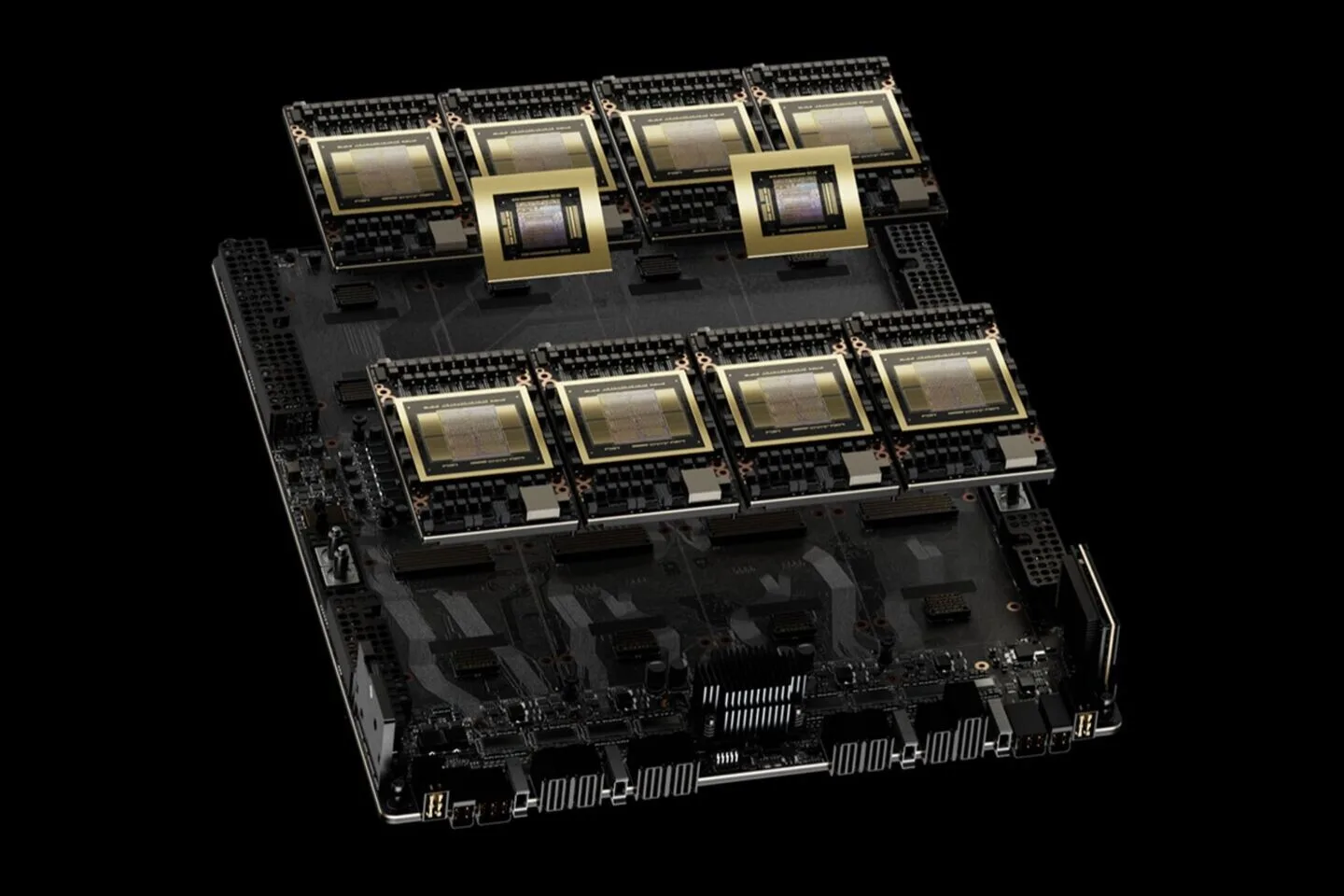
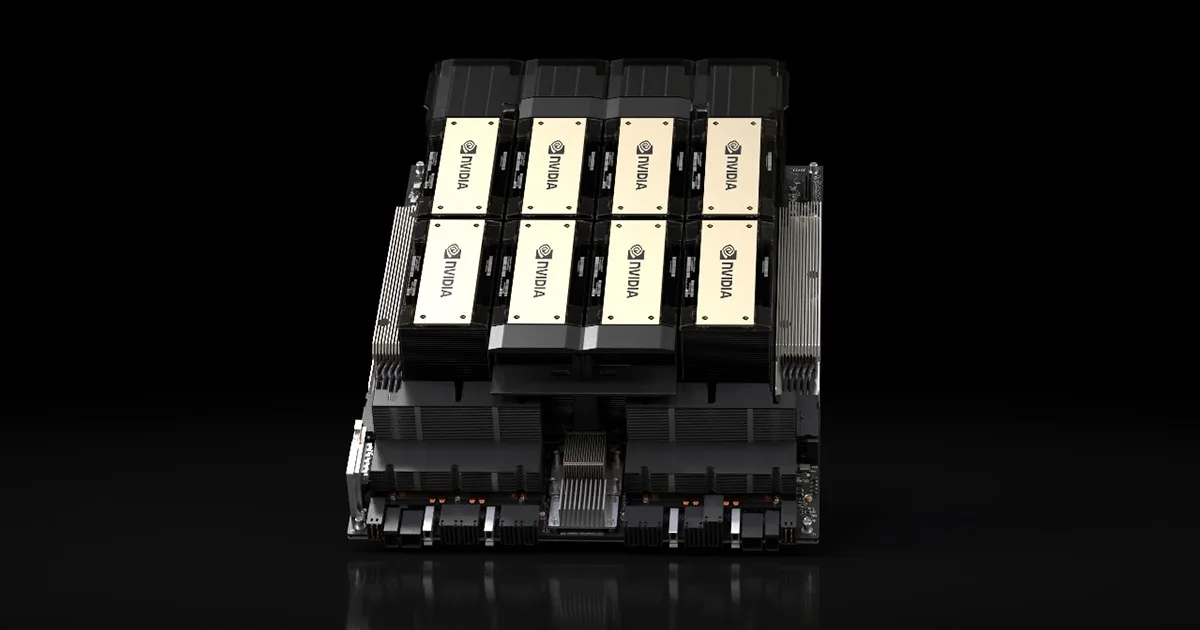
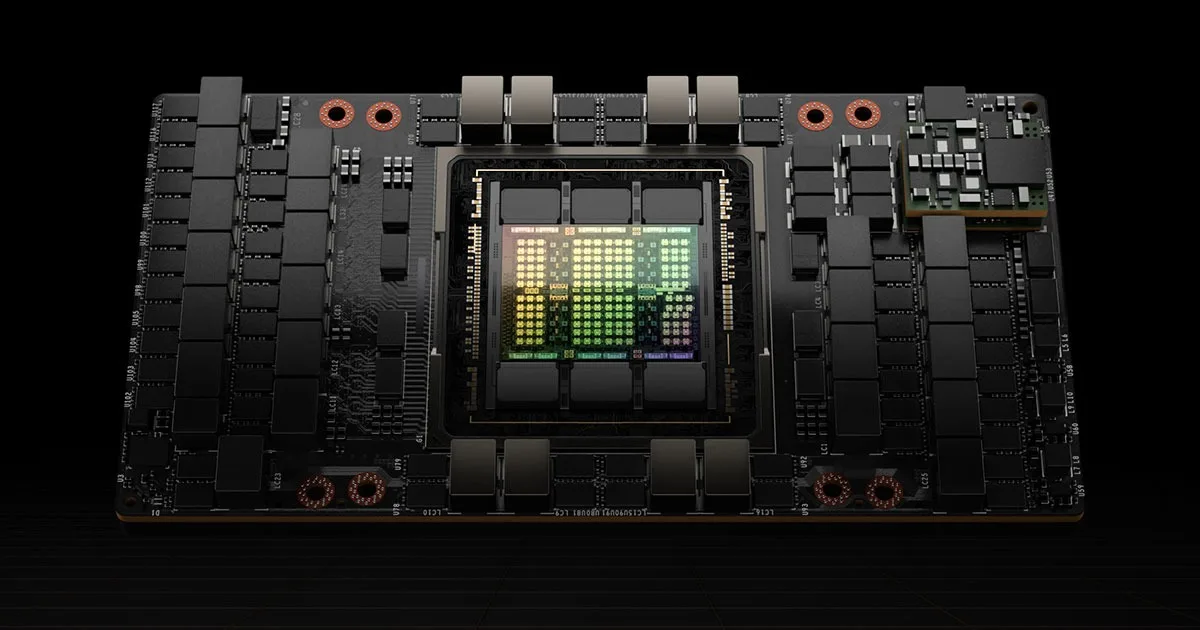
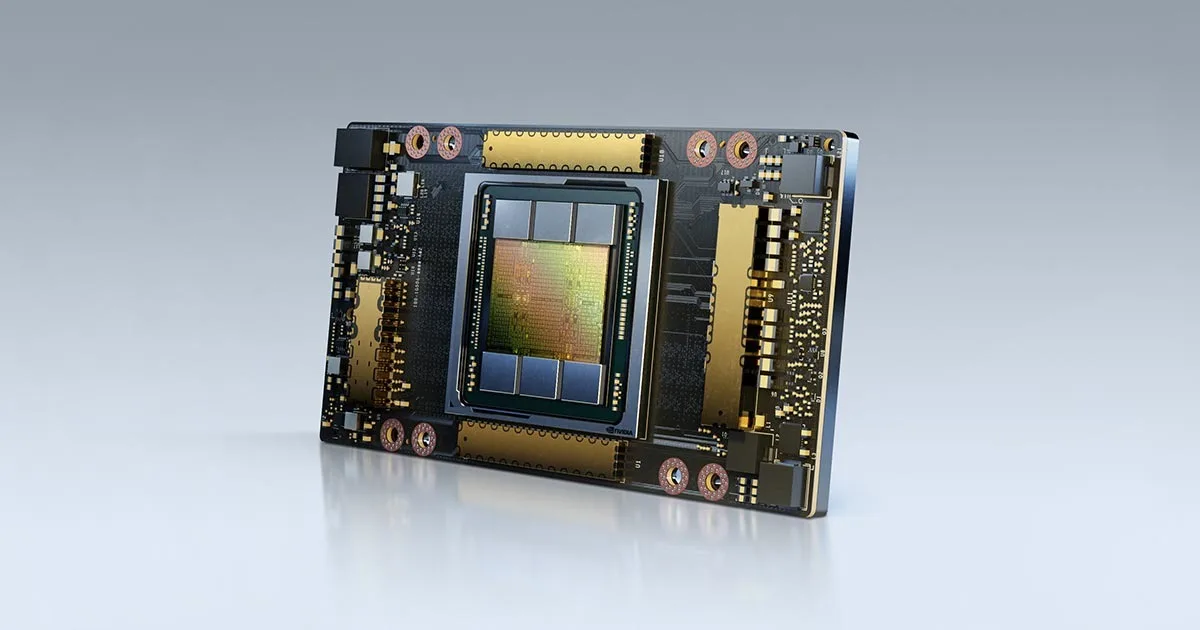
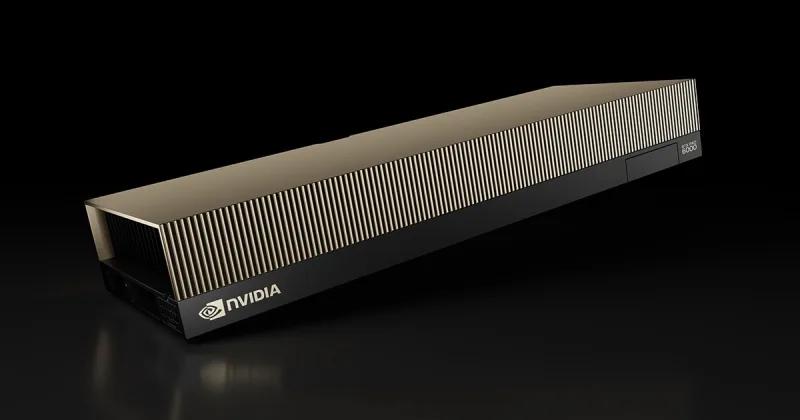
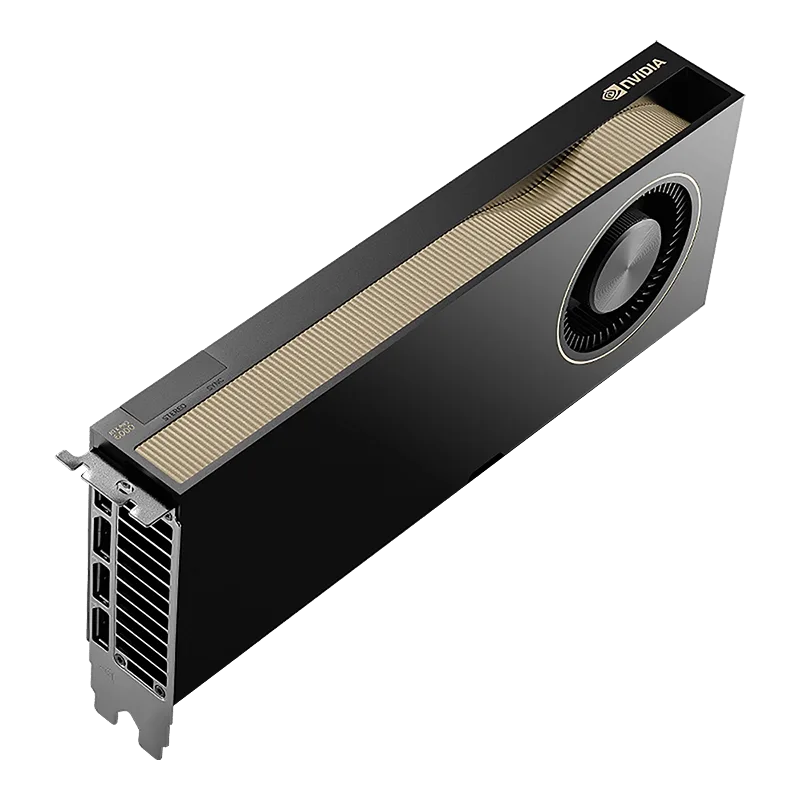
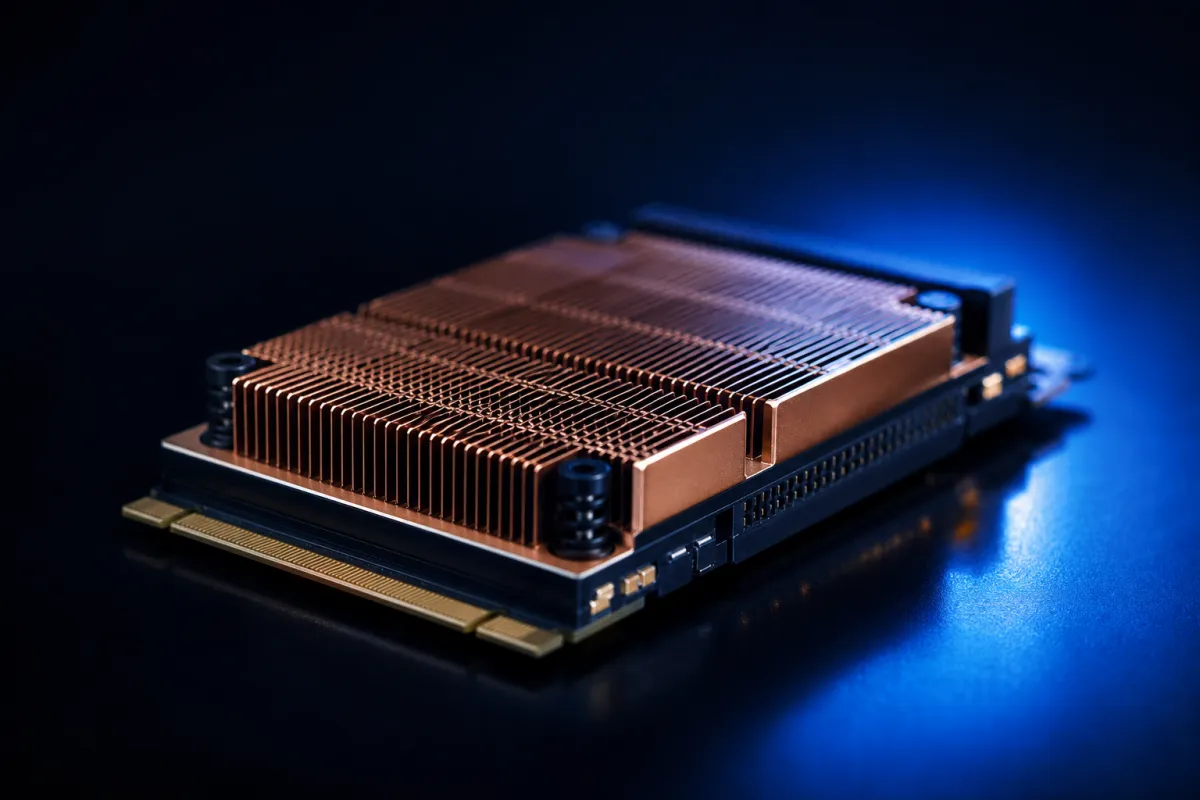
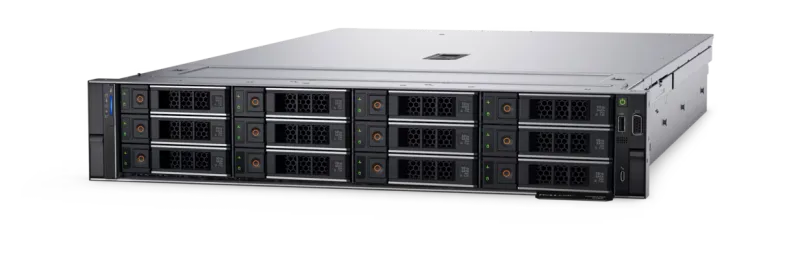
Specification is where the shortlist starts, not ends.
Each page here covers what a given accelerator is genuinely good at, where it is commonly mis-specified, and what it tends to cost to run rather than simply to buy. Memory capacity usually eliminates most of the catalogue before anything else is considered, so it is worth establishing your memory requirement before comparing anything else.
Price on this hardware moves with availability, destination and quantity, which is why detailed numbers live on the live inventory rather than on specification pages that would date immediately.
Three things the datasheet will not tell you.
First, the accelerator is typically not the largest part of the bill once fabric, power, storage and freight are counted. The full cluster cost page sets out every line in the order the costs arrive.
Second, the hardware is sold in nodes rather than as loose cards, which changes the arithmetic. Converting GPU counts into nodes, racks and megawatts is the step that turns a hardware question into a facility question.
Third, what you pay is a landed number, not a hardware number. Duties, import VAT, freight and handling vary sharply by destination, and the import and IOR desk covers what that adds. For availability, condition and lead time on any specific part, the live inventory is the current position.
Asked first, answered straight.
The one with sufficient memory for your model at your intended batch size, adequate interconnect for multi-node work, and availability on your timeline. That third constraint eliminates more options in practice than the first two.
HGX platforms carry eight accelerators with high-bandwidth interconnect between them, which matters enormously for distributed training. PCIe cards are cheaper and more flexible, and suit inference, fine tuning and smaller jobs well.
Frequently, and for many workloads that is the better economic choice. Previous-generation hardware at the right price often beats current silicon at list, particularly for inference and fine tuning.
Working through this on a real requirement?
Twenty minutes with the desk, no pitch and no quote at the end of it. Tell us roughly what you need and we will come back within one business day.
Sent. We are on it.
Your enquiry has landed with the desk. Acknowledged within one hour.
How the catalogue collapses to a shortlist.
Most platforms fall out at memory. Most of the rest fall out at timing. What survives is what you can actually have.
Two filters collapse the catalogue: memory fit, then verified availability