
What does a GPU cluster actually draw?
Power is the largest lifetime cost of a GPU cluster and the constraint that most often decides where it can go at all. It deserves answering before the hardware conversation, not after.
What decides this requirement.
Not every hall can take a modern rack.
Traditional colocation was designed around rack densities that current AI platforms exceed several times over. A hall that comfortably hosts enterprise workloads may be unable to power or cool a single current-generation GPU rack, which is why announced capacity and AI-ready capacity are different numbers.
Cooling is the harder half. Air cooling reaches practical limits at densities the newest platforms exceed, and current flagship systems are increasingly designed liquid-first. A facility without liquid capability restricts you to lower-density configurations, which costs more space and often more money overall.
This is why we qualify the facility before discussing hardware. Choosing silicon that no available building can host is a fast route to a stalled project.
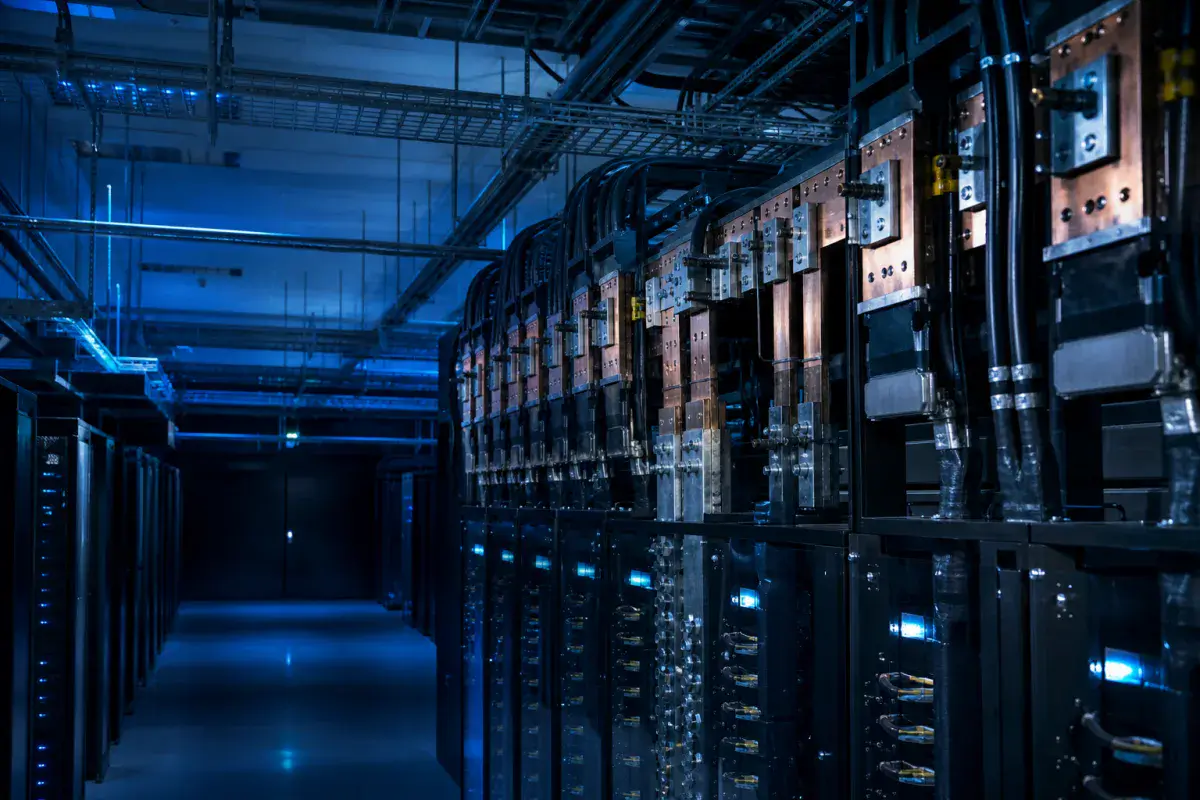
Power outlives the hardware decision.
Over a cluster's life, electricity is typically the largest operating line, larger than most buyers model when negotiating hardware. That is why markets with cheap power change total cost of ownership in ways a hardware discount cannot match, and why we price placement rather than assuming it.
Efficiency matters directly here. A facility with better effective PUE delivers more compute per unit of purchased electricity, permanently. It is worth asking every operator for real figures rather than design targets.
The regional differences are substantial and covered across the regional pages. Facility qualification is on the space and power desk.
Start from what is verified.
Current verified lines with quantities, lead times and indicative pricing are public on the live inventory. Anything not listed becomes a sourcing requirement with a first pass inside one business day.
Asked first, answered straight.
Tens of kilowatts for current generations, and rising with each release. The number that matters is what your target facility can actually deliver and cool today, which is frequently less than its marketing suggests.
Increasingly, for current flagship platforms. Air cooling reaches practical limits at densities the newest systems exceed. If your roadmap includes the next generation, the cooling question is really a which-buildings-qualify question.
Meaningfully on top of IT load, and it varies with design and climate. Ask operators for real effective PUE rather than design targets, because the difference compounds over the cluster's life.
Because choosing silicon no available building can host stalls the project. Power and cooling decide the shortlist, and the shortlist decides what is worth specifying.
Working through this on a real requirement?
Twenty minutes with the desk, no pitch and no quote at the end of it. Tell us roughly what you need and we will come back within one business day.
Sent. We are on it.
Your enquiry has landed with the desk. Acknowledged within one hour.